Why Rear Facing? The Safest Way for Children to Travel
Rear facing is the safest way for babies and young children to travel. At In Car Safety Centre, we've been helping UK families travel rear facing for longer for 40 years.
Why is rear facing safer?
A young child's head is large and heavy compared to their body, and their neck and spine are still developing. In a frontal collision, the most common and often most serious type of crash, a forward-facing child's body is held by the harness while their head is thrown forward, putting huge strain on the neck.
In a rear-facing seat, the seat shell absorbs the force and supports the head, neck and back together, spreading the load across the whole body.
How long should my child rear face?
Under i-Size (R129), children must rear face until at least 15 months. That's a legal minimum, not a target. Many safety experts recommend keeping children rear facing for as long as possible, ideally until around 4 years old, and extended rear-facing seats make that possible.
What about their legs?
It's a common worry, but children are flexible and happily sit cross-legged or with their feet up against the vehicle seat. Leg contact with the seat back is not a safety concern.
Will my child be bored or unhappy?
Most children are perfectly content rear facing. They can see out of the side and back windows, and a baby car mirror lets you see each other.
What types of rear-facing seat are there?
- Infant carriers: from birth to around 12 to 18 months. Baby car seats
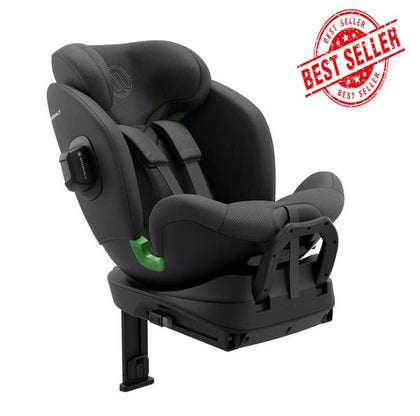
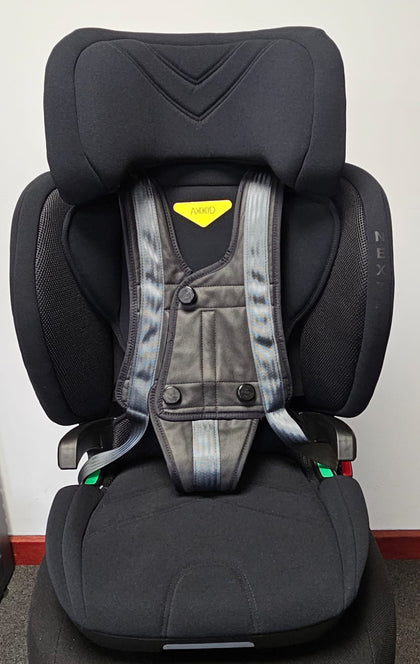
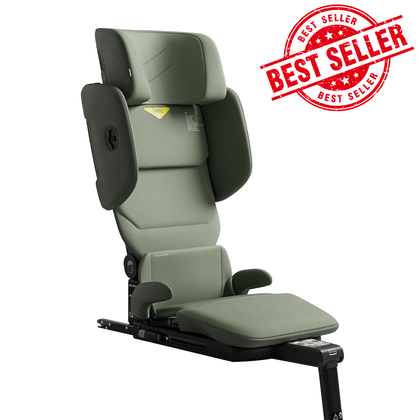
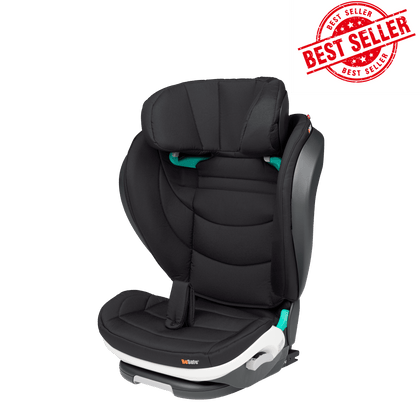
- Extended rear-facing seats: rear facing to around 4 years. Extended rear facing car seats
- Rotating seats: turn to the door for easy loading. 360 rotating seats
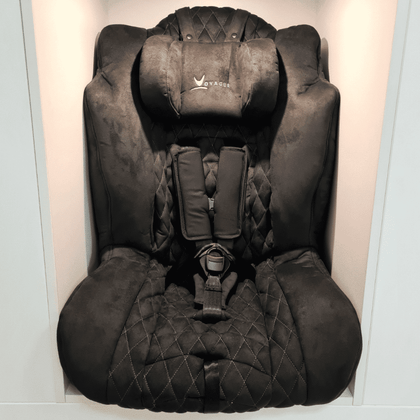
- Belt and tether seats: fitted with the seat belt, a support leg and tethers. Many are Swedish Plus Tested. Rear-facing tether seats
Want to know more about the toughest rear-facing test? Read The Swedish Plus Test explained.
Not sure which seat fits your car? Book a free appointment in Towcester or Rayleigh, or email info@incarsafetycentre.co.uk.