

Keeping children rear-facing for longer isn’t just a recommendation — it’s a proven lifesaving choice.
A large Swedish review of real-world fatal car crashes involving children has shown, once again, that rear-facing travel offers significantly better protection for young children than forward-facing seats, particularly in serious collisions.
In this article you will find out more about: New Swedish Crash Data Confirms: Rear-Facing Saves Lives
What the Research Looked At
The analysis reviewed fatal car crashes involving children aged 0–6 years over a 30-year period. Each case was examined to understand how the child was seated and restrained, and whether different seating choices could have changed the outcome.
Sweden is widely recognised as a world leader in child road safety, with most young children travelling rear-facing well beyond toddler age. The contrast with the UK is stark, where many children are turned forward-facing as soon as the law allows.
The Key Findings
The data showed a clear pattern: children who were forward-facing too early or not properly restrained were far more likely to suffer fatal injuries.
Children aged 0–3 years
-
Around 70% were not travelling according to best practice (rear-facing until at least four years old).
-
Fewer than one-third were rear-facing at the time of the crash.
-
Nearly half of the deaths in this age group were assessed as potentially survivable if the child had been rear-facing.
Among forward-facing children under four who were fatally injured, more than 60% may have survived if they had still been rear-facing.
Children aged 4–6 years
-
None of the children involved in fatal crashes were rear-facing.
-
Over a quarter were still within a size range where extended rear-facing could have significantly reduced injury risk.
Why Rear-Facing Makes Such a Difference
In a frontal collision, a forward-facing child’s head is thrown forward with enormous force, placing extreme strain on the neck and spine.
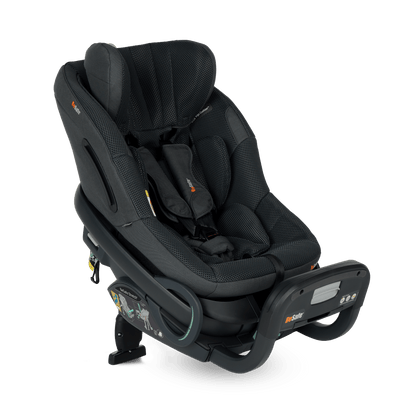
A rear-facing car seat supports the head, neck and spine together, spreading crash forces across the strongest parts of the body. This reduces the risk of serious or fatal injury and is why rear-facing is considered the safest way for young children to travel.
What This Means for Parents in the UK
Although UK law allows children to travel forward-facing from 15 months, legal minimums are not best practice.
At In Car Safety Centre, we recommend:
-
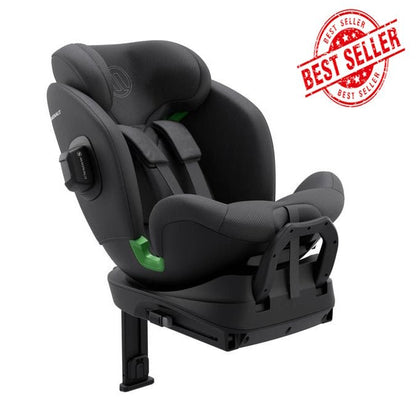
Keeping children rear-facing for as long as possible, ideally until they reach the maximum height or weight limit of their car seat.
-
Choosing seats designed specifically for extended rear-facing, not switching based on age alone.
-
Ensuring your child’s car seat is fitted and used correctly on every journey.
The Bottom Line
This Swedish crash data reinforces a simple message: rear-facing saves lives.
Extending rear-facing travel and using the right car seat correctly can make a life-changing difference in the event of a serious collision.
Rear-Facing Car Seats: Frequently Asked Questions
How long should my child stay rear-facing?
Best practice is to keep children rear-facing for as long as possible, ideally until at least four years old and preferably until they reach the maximum height or weight limit of their seat.
But my child’s legs look uncomfortable — is that a problem?
No. Children are flexible and naturally sit with bent legs. Leg injuries are extremely rare in rear-facing seats, while serious head and neck injuries are far more common in forward-facing crashes.
Is rear-facing safer even after age four?
Yes. Rear-facing continues to offer superior protection for the head, neck and spine for as long as the child fits within the seat’s limits.
UK law says my child can face forward at 15 months — isn’t that safe?
The law sets a minimum requirement, not the safest option. Just because a child can face forward legally doesn’t mean they should.
What kind of seat should I be looking for?
Look for a car seat designed for extended rear-facing, with higher height and weight limits, and ensure it is compatible with your vehicle.
Can I get help choosing the right seat?
Absolutely. Our trained specialists at In Car Safety Centre can help you choose the safest option for your child and ensure it is fitted correctly.












Comments (0)
There are no comments for this article. Be the first one to leave a message!